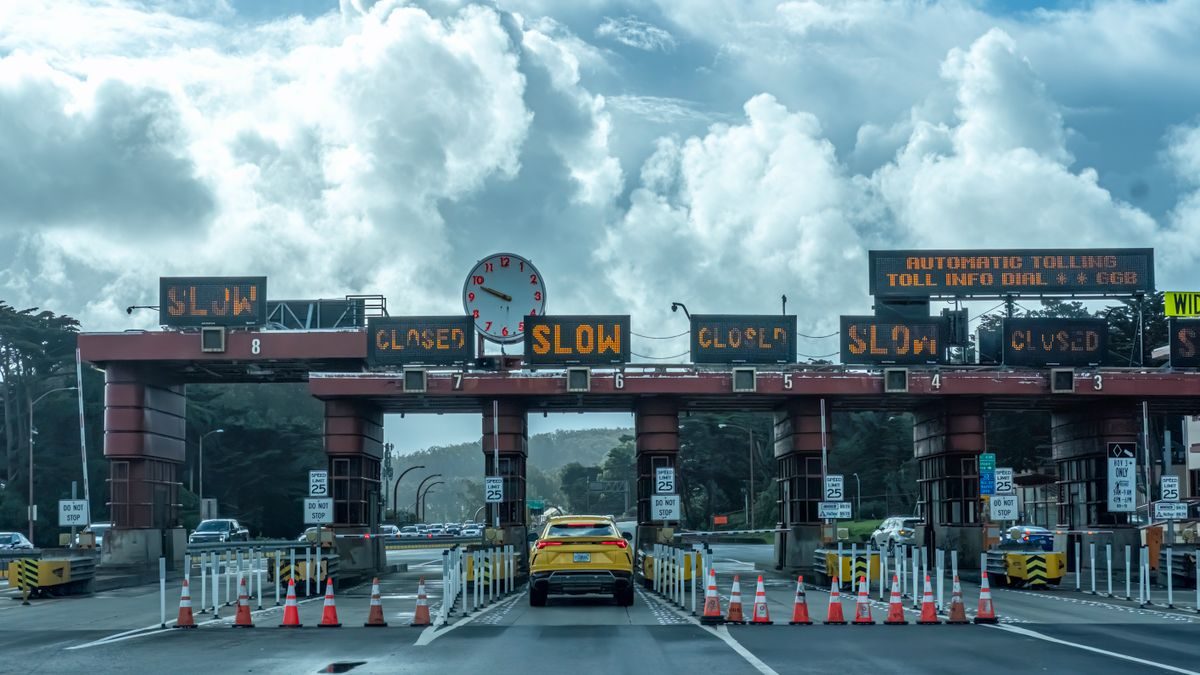
NJ Turnpike tolls rose 3% on January 1, 2026, for all vehicle classes, under the New Jersey Turnpike Authority’s policy of automatic 3% yearly increases adopted in 2020. The average Turnpike toll went up by about 16 cents, while Garden State Parkway tolls rose by 8 cents at barrier plazas and 3 cents at entry and exit ramps. Turnpike tolls are based on the distance between where you enter and exit, and drivers with a New Jersey E-ZPass can get off-peak discounts. The Turnpike Authority’s online toll calculator shows the exact toll for any trip.
Key Takeaways
- 3% increase on the Turnpike and Parkway took effect January 1, 2026.
- Average Turnpike toll rose by about 16 cents.
- Parkway tolls rose 8 cents at barrier plazas and 3 cents at ramps.
- Automatic yearly increases: the Turnpike Authority approved 3% annual toll indexing in 2020.
- Distance-based: Turnpike tolls depend on your entry and exit interchanges.
- E-ZPass saves money, especially for NJ E-ZPass customers traveling off-peak.
- Other crossings rose too, including Port Authority bridges and tunnels.
Toll changes follow New Jersey Turnpike Authority information and New Jersey Monitor coverage of the 2026 increases, reviewed in September 2026. Use the NJTA toll calculator for exact current amounts.
How NJ Turnpike Tolls Work
The New Jersey Turnpike uses a closed, distance-based system. You enter at one interchange and pay when you exit, based on the distance traveled and your vehicle class. As a result, a short hop between two nearby interchanges costs far less than a trip from the Delaware Memorial Bridge area to North Jersey.
The Garden State Parkway works differently. It uses barrier toll plazas along the main road plus tolls at certain entrance and exit ramps. Therefore, your Parkway cost depends on which plazas and ramps you pass.
| Feature | New Jersey Turnpike | Garden State Parkway |
|---|---|---|
| Toll system | Distance-based, entry to exit | Barrier plazas and some ramp tolls |
| 2026 change | +3%; average toll up about 16 cents | +3%; barriers up 8 cents, ramps up 3 cents |
| Vehicle classes | Cars, trucks and buses priced by class | Cars, trucks and buses priced by class |
| Operator | New Jersey Turnpike Authority | New Jersey Turnpike Authority |
NJ Turnpike Tolls in 2026: What Changed
| Road or crossing | 2026 change |
|---|---|
| New Jersey Turnpike | 3% increase for all vehicle classes; average toll up about 16 cents |
| Garden State Parkway barrier plazas | Up 8 cents |
| Garden State Parkway entry and exit ramps | Up 3 cents |
| Port Authority bridges and tunnels (E-ZPass, peak) | From $16.06 to $16.79 |
| Delaware River toll bridges (E-ZPass, cars) | From $1.50 to $2.00 |
| Atlantic City Expressway | Switched to all-electronic tolling in January 2026 |
The Turnpike Authority approved the 2026 increases in November 2025 as part of its budget. The Port Authority’s increases help fund its $45 billion capital plan.
E-ZPass vs. Other Ways to Pay
E-ZPass is the easiest and usually cheapest way to pay NJ Turnpike tolls. New Jersey E-ZPass customers can receive off-peak discounts, and discount plans exist for certain groups, such as seniors and eligible green vehicles. Drivers without E-ZPass pay higher rates, and billing by mail can add fees if invoices are not paid on time.
| Payment method | What to know |
|---|---|
| NJ E-ZPass | Lowest rates, with off-peak discounts available |
| Out-of-state E-ZPass | Accepted, but New Jersey-specific discounts may not apply |
| Cash | Still accepted at many Turnpike toll plazas |
| Toll by mail | Higher rates and possible fees if bills go unpaid |
How to Estimate Your NJ Turnpike Tolls
- Open the NJTA toll calculator on the New Jersey Turnpike Authority website.
- Choose the Turnpike or the Parkway.
- Select your entry and exit interchanges.
- Pick your vehicle class, such as a two-axle passenger car.
- Compare payment types and peak or off-peak times to see the difference.
The Turnpike Authority also publishes printable 2026 toll schedules for each vehicle class, including E-ZPass off-peak, green and senior discount schedules.
Why Tolls Go Up Every Year
In 2020, the Turnpike Authority adopted a plan to raise tolls automatically by 3% a year. The money helps pay for maintenance, debt and capital projects, such as widening and rebuilding roads and bridges, as well as the rebuilt service areas along the highways. Because of this policy, drivers can expect similar small increases each January unless the policy changes.
Ways to Save on NJ Turnpike Tolls
- Get a New Jersey E-ZPass to access New Jersey’s discount plans.
- Travel off-peak when possible to qualify for off-peak discounts.
- Check discount plans for seniors and eligible green vehicles.
- Compare routes. Sometimes the Parkway, I-295 or I-287 makes more sense for your trip.
- Keep your E-ZPass funded to avoid violation notices and fees.
- Update your license plate on your E-ZPass account when you change vehicles.
Tolls for Trips Into New York City
Many NJ Turnpike trips end at a Hudson River crossing. Port Authority tolls at the George Washington Bridge, Lincoln Tunnel and Holland Tunnel are charged separately, and in 2026 the E-ZPass peak toll for cars rose to $16.79. Drivers entering Manhattan at or below 60th Street also pay New York’s congestion toll. Therefore, a commute from central New Jersey into Midtown can involve three separate charges.
Garden State Parkway Tolls
The Garden State Parkway runs from Cape May to the New York State line. Its barrier plazas and ramp tolls rose in 2026 along with the Turnpike. Barrier tolls increased by 8 cents and ramp tolls by 3 cents. Because Parkway tolls are collected at intervals along the road rather than by distance, a long Parkway trip passes several barrier plazas.
For Jersey Shore trips from North Jersey, drivers often compare the Parkway with the Turnpike and Route 9 or other roads. The cheapest route is not always the fastest, especially on summer weekends, so check both travel time and tolls.
Tolls for Trucks and Buses
Commercial vehicles pay higher NJ Turnpike tolls based on their class, which depends on the number of axles and vehicle type. The Turnpike Authority publishes separate 2026 toll schedules for each class. Truck drivers should also watch for storm-related restrictions, since the state can bar commercial vehicles from certain highways during major winter storms.
NJ Turnpike Tolls Quick Reference
| Question | Answer |
|---|---|
| Did tolls rise in 2026? | Yes, 3% on January 1, 2026 |
| How are Turnpike tolls set? | By distance traveled and vehicle class |
| Where can I check exact tolls? | The NJTA toll calculator and printable schedules |
| What is the cheapest way to pay? | A New Jersey E-ZPass, especially off-peak |
| Will tolls rise again? | The 3% annual indexing policy points to yearly increases |
Tolls are one of the most common costs of driving in New Jersey, so it pays to plan. A few minutes with the toll calculator and a funded E-ZPass account can save money and hassle on every trip.
Keep receipts or E-ZPass statements if you drive for work, since tolls may be reimbursable by your employer or deductible for some self-employed drivers.
If you drive the same route often, compare your monthly toll spending with transit costs. For some commuters, a train or bus pass can cost less than daily tolls, parking and fuel combined.
More NJ Driving Guides
Plan breaks with our guide to NJ Turnpike rest stops, check live conditions with 511 NJ traffic and see what driving into Manhattan costs in our congestion pricing NJ guide. Find more in our Getting Around section or on the homepage.
Frequently Asked Questions About NJ Turnpike Tolls
Did NJ Turnpike tolls go up in 2026?
Yes. Turnpike and Parkway tolls rose 3% on January 1, 2026, for all vehicle classes.
How much did the average Turnpike toll increase?
The average Turnpike toll rose by about 16 cents in 2026.
How are NJ Turnpike tolls calculated?
Tolls are distance-based, depending on your entry and exit interchanges and your vehicle class.
Will NJ tolls go up every year?
The Turnpike Authority adopted automatic 3% yearly increases in 2020, so drivers can expect annual increases unless the policy changes.
How can I save on NJ Turnpike tolls?
Use a New Jersey E-ZPass, travel off-peak for discounts and check senior or green vehicle discount plans.
How much is the Port Authority toll in 2026?
The E-ZPass peak toll for cars at Port Authority bridges and tunnels rose to $16.79 in 2026.
Is the NJ Turnpike cashless?
Not entirely. Cash is still accepted at many Turnpike toll plazas, although E-ZPass is the easiest way to pay.
Do NJ Parkway tolls change every year?
Parkway tolls rose 8 cents at barrier plazas and 3 cents at ramps in 2026, following the 3% annual policy.
Does E-ZPass from another state work on the NJ Turnpike?
Yes, but some New Jersey discount plans apply only to New Jersey E-ZPass accounts.
The Bottom Line
NJ Turnpike tolls rose 3% in January 2026, with the average Turnpike toll up about 16 cents and Parkway tolls up 3 to 8 cents per plaza. Tolls are based on distance traveled, and a New Jersey E-ZPass with off-peak travel offers the best savings. Use the Turnpike Authority’s toll calculator to check the exact cost before your trip, and expect similar increases each year under the 3% indexing policy.
