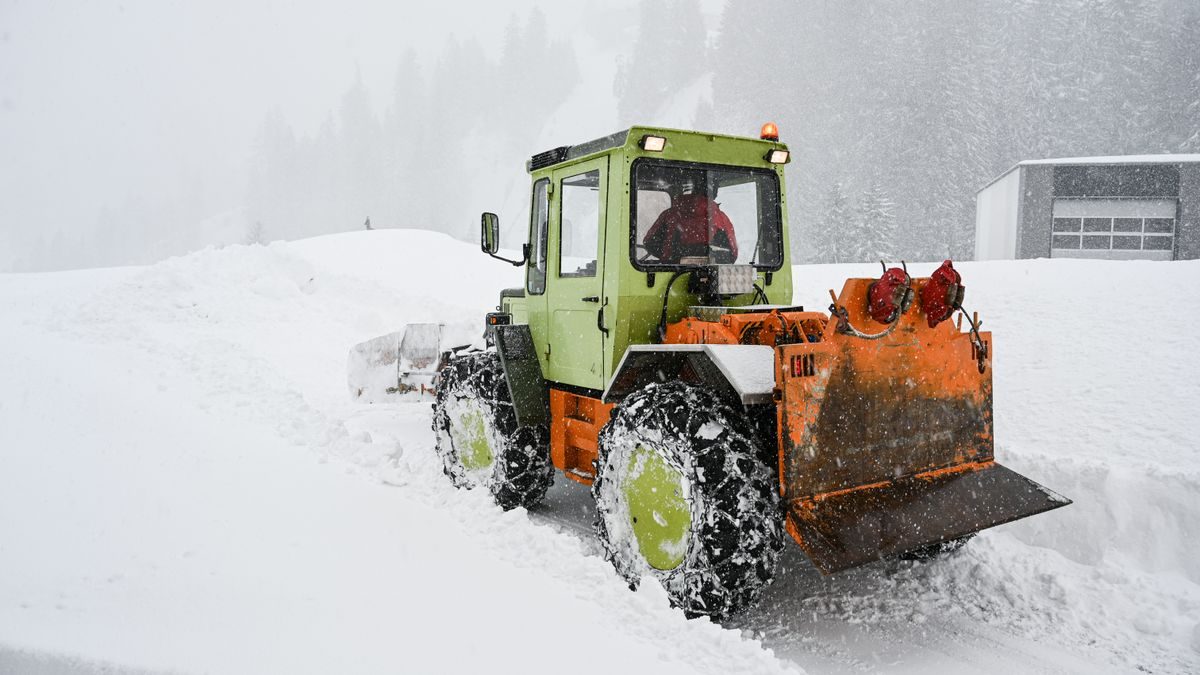
An NJ snow emergency usually starts with the Governor declaring a state of emergency by executive order before or during a major winter storm. The declaration lets the state move plows, salt trucks and emergency crews quickly, and it can include travel restrictions, such as keeping commercial trucks off certain highways or, in the most severe storms, limiting nonessential travel. Towns can also declare local snow emergencies that ban parking on snow routes so plows can clear streets. No matter what is declared, New Jersey law requires drivers to clear snow and ice from their vehicles, with fines of $25 to $75, rising to $200 to $1,000 if flying ice or snow causes injury or damage.
Key Takeaways
- State of emergency: declared by the Governor by executive order for major storms.
- Travel restrictions: may include commercial vehicle bans on certain highways or limits on nonessential travel.
- Local snow emergencies: towns can ban parking on snow routes and tow cars that block plows.
- Clear your car: $25 to $75 fine for not removing snow and ice, even if none flies off.
- Injury or damage: $200 to $1,000 per offense if snow or ice from your vehicle causes injury or property damage.
- Follow official updates from the state, your town, NJ Transit and 511NJ.
Snow and ice penalties follow the New Jersey Office of the Attorney General’s Division of Highway Traffic Safety, reviewed in September 2026. Each storm declaration is different, so always read the specific order.
Types of NJ Snow Emergency Declarations
| Declaration | Who issues it | What it can mean |
|---|---|---|
| State of emergency | The Governor, by executive order | Faster deployment of resources; possible travel restrictions statewide or by county |
| Commercial vehicle restrictions | State officials, usually with the state of emergency | Tractor-trailers and some other vehicles barred from certain highways during the storm |
| Local snow emergency | Mayor or municipal officials | Parking bans on snow routes, towing and changes to trash pickup |
| School closings or delays | Individual school districts | Closed schools, delayed openings or remote learning days where allowed |
| Transit suspensions | NJ Transit and other operators | Reduced or suspended bus, rail and light rail service |
What a State of Emergency Means for You
A state of emergency does not always ban driving. Often, the Governor declares one mainly to speed up the storm response and to encourage residents to stay off the roads. However, the order can include specific restrictions. For example, it may:
- Restrict commercial vehicles, such as tractor-trailers, on certain interstates and highways.
- Limit nonessential travel in the most severe storms.
- Close state offices or send nonessential state workers home.
- Lower speed limits on some highways during the storm.
Because each executive order is different, read the actual announcement from the Governor’s office for the rules that apply to a given storm.
Local Snow Emergencies and Parking Rules
Many New Jersey towns have snow emergency ordinances. When a local NJ snow emergency is declared, residents may need to move cars off designated snow routes or to one side of the street so plows can clear roads. Cars left in the way can be ticketed or towed. Rules vary by town, so check your municipality’s website, social media or emergency alert system before a storm.
| Common local rule | What to do |
|---|---|
| No parking on snow emergency routes | Move your car to a driveway, lot or side street |
| Odd/even parking | Park on the side of the street your town specifies |
| Sidewalk clearing | Clear sidewalks within the time your town requires |
| Garbage and recycling changes | Check whether pickup is delayed |
New Jersey’s Snow and Ice Removal Law
New Jersey requires drivers to remove snow and ice from their vehicles, including the roof, hood and trunk, before driving. The penalties are:
| Situation | Fine per offense |
|---|---|
| Failing to remove snow and ice (even if none falls off) | $25 to $75 |
| Snow or ice dislodges and causes injury or property damage | $200 to $1,000 |
Commercial vehicles can face higher penalties when flying ice or snow causes injury or damage. Therefore, truck and van drivers should take extra care to clear their roofs.
Winter Driving Tips From the State
The Division of Highway Traffic Safety recommends:
- Slow down. Drive at or below the speed limit and adjust for conditions.
- Use low-beam headlights in snow.
- Leave space: stay at least eight to 10 seconds behind the car in front of you.
- Give plows room. Do not tailgate or pass snowplows.
- Handle skids calmly: take your foot off the gas and gently steer in the direction of the skid.
- Slow down before exits, since ramps can be icier than main roads.
Build a Winter Emergency Kit
| Item | Why |
|---|---|
| Ice scraper and small shovel | Clear your car and dig out if stuck |
| Jumper cables | Cold weather drains batteries |
| Blanket, water and food | Stay warm and fed if stranded |
| Sand or salt and de-icer | Improve traction and clear locks |
| Flashlight, flares and a charged phone | Stay visible and call for help |
| Extra washer fluid and towels | Keep windows clear of salt spray |
Where to Get NJ Snow Emergency Updates
- The Governor’s office for state of emergency declarations and travel restrictions.
- The New Jersey Office of Emergency Management for statewide alerts.
- 511NJ for road conditions, closures and cameras.
- NJ Transit for service changes and suspensions.
- Your town for local snow emergencies, parking bans and trash changes.
- Your school district for closings and delayed openings.
Before and After the Storm
- Before: fill your gas tank, charge phones, stock food and medications, and move cars off snow routes.
- During: stay off the roads if you can, especially when travel restrictions are in place.
- After: clear your whole car, including the roof, shovel carefully and check on elderly neighbors.
NJ Snow Emergency Tips for Homeowners
- Clear sidewalks in front of your home within the time your town requires.
- Keep fire hydrants clear so firefighters can reach them quickly.
- Clear vents for furnaces and dryers to prevent carbon monoxide buildup.
- Never run a generator indoors or in a garage.
- Shovel carefully, take breaks and lift with your legs.
- Check on elderly and disabled neighbors during and after the storm.
Power Outages During Winter Storms
Heavy snow and ice can bring down trees and power lines. Report outages to your electric utility, stay far away from downed wires and assume every wire is live. Before a storm, charge phones and portable batteries, keep flashlights handy and stock water and nonperishable food. If you lose heat for a long time, local officials often open warming centers, which are announced through town and county channels.
Remember that local rules differ. Sign up for your town’s emergency alerts before winter starts, so you know right away when a snow emergency is declared and where you can park.
Winter storms can also disrupt schools, transit and trash pickup for several days, so plan ahead for childcare and commuting when a major storm is forecast.
More NJ Winter Guides
Check live road conditions with 511 NJ traffic, plan winter trips on the toll roads with our NJ Turnpike tolls guide, and find snowy fun in our guide to skiing in NJ. Browse more in our NJ News section or on the homepage.
Frequently Asked Questions About an NJ Snow Emergency
What happens during an NJ state of emergency for snow?
The Governor can speed up the storm response and may restrict travel, such as banning commercial trucks on some highways.
Is driving banned during an NJ snow emergency?
Not always. Some declarations only urge people to stay home, while severe storms can bring specific travel restrictions.
What is the fine for not clearing snow off your car in NJ?
$25 to $75 per offense, or $200 to $1,000 if snow or ice from your vehicle causes injury or damage.
What is a local snow emergency?
A town declaration that can ban parking on snow routes so plows can clear streets, with tickets or towing for violators.
Where can I find NJ snow emergency updates?
Check the Governor’s office, the Office of Emergency Management, 511NJ, NJ Transit and your town.
How far should I stay behind other cars in snow?
The state recommends at least eight to 10 seconds of following distance.
Do NJ towns tow cars during snow emergencies?
Yes. Cars left on snow emergency routes during a declared emergency can be ticketed or towed, depending on local rules.
Are NJ state offices closed during snow emergencies?
Sometimes. The Governor can close state offices or send nonessential workers home during major storms.
What should be in a winter car emergency kit?
An ice scraper, small shovel, jumper cables, blanket, water, food, flashlight, flares, a charged phone and extra washer fluid.
The Bottom Line
An NJ snow emergency can mean a statewide state of emergency, highway restrictions for trucks, local parking bans or all three. Follow official announcements from the state, your town and NJ Transit, stay off the roads when you can, and always clear snow and ice from your whole vehicle to avoid fines of up to $1,000.
