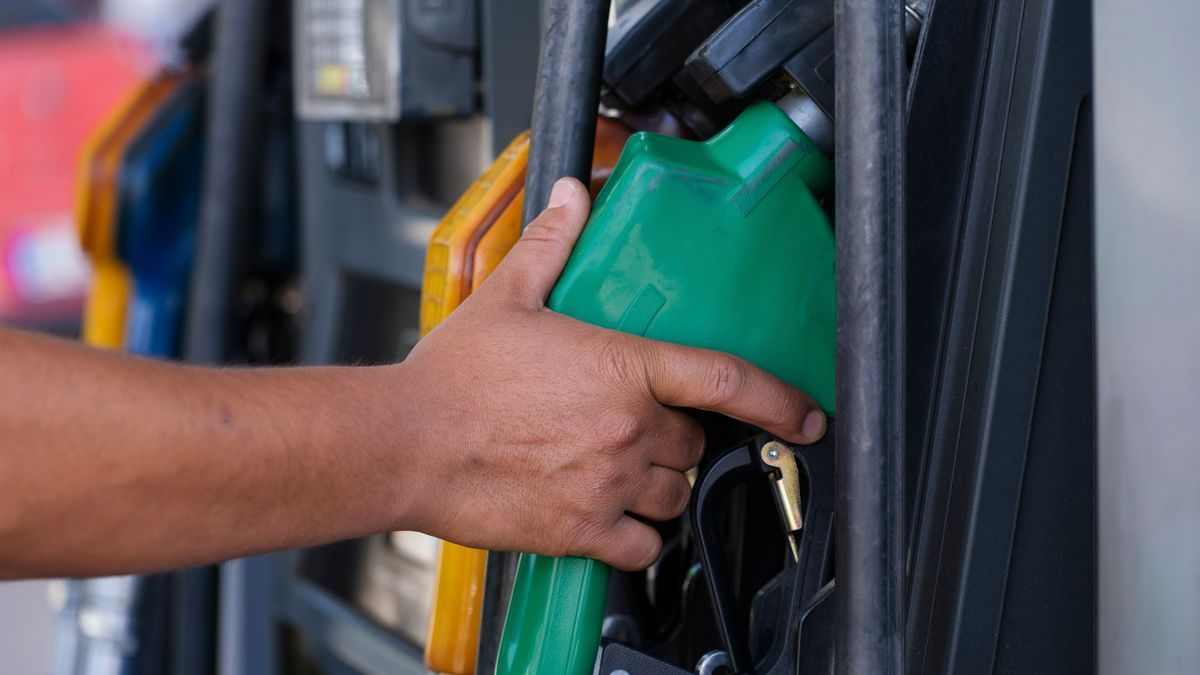
Why can’t you pump your own gas in NJ? Because of the Retail Gasoline Dispensing Safety Act, a 1949 state law that requires trained attendants to pump gas at New Jersey stations. Lawmakers cited fire and safety risks at the time, and the law has survived repeated repeal attempts, largely because most residents like full service. Since Oregon allowed self-service in 2023, New Jersey is the only U.S. state where drivers are not allowed to pump their own gas.
Key Takeaways
- The law dates to 1949 and is called the Retail Gasoline Dispensing Safety Act.
- Safety was the official reason, including fire risks and the concern that one attendant could not watch every pump.
- Business competition played a role too, after a station owner cut prices with self-service in the late 1940s.
- New Jersey is now the only state with a full self-service ban, after Oregon changed its law in 2023.
- Most residents want to keep full service: a 2022 Rutgers-Eagleton poll found 73 percent opposed self-service and 22 percent supported it.
- Repeal bills keep appearing, including a 2025 Senate bill, but the full-service rule remains in place.
This explainer draws on published histories of the law and polling from the Rutgers-Eagleton Center for Public Interest Polling, reviewed in September 2026.
The Law Behind Full-Service Gas in New Jersey
The Retail Gasoline Dispensing Safety Act became law in 1949. It requires gasoline to be dispensed by station attendants rather than customers. Today, that means drivers stay in the car while an attendant fuels the vehicle.
Supporters of the law have long argued that attendants are trained for the job. They know where emergency shutoffs are, can spot unsafe conditions and make sure fuel only goes into approved containers.
Why the Ban Began in 1949
The official reason was safety. In the 1940s, lawmakers worried about fire hazards and the risk of fumes, as well as the idea that one attendant could not supervise many customers pumping at once.
However, there is also a business side to the story. In the late 1940s, a gas station owner named Irving Reingold offered self-service and cut his price from 22 cents to 18.9 cents per gallon. Competing station owners were unhappy with the undercutting, and the Gasoline Retailers Association lobbied for the safety act. As a result, historians often describe the law as a mix of safety concerns and competitive pressure.
Why the Law Has Lasted So Long
| Reason | What supporters say |
|---|---|
| Convenience | Drivers stay in the car, which is especially popular in bad weather |
| Safety | Trained attendants handle fuel and emergency shutoffs |
| Jobs | Full service supports thousands of gas station attendant jobs |
| Accessibility | Older drivers and people with disabilities do not need to pump fuel |
| Public opinion | Polls consistently show most New Jerseyans prefer full service |
Public opinion is the biggest factor. In a 2022 Rutgers-Eagleton poll, 73 percent of New Jersey respondents opposed allowing self-service, while only 22 percent supported it. With numbers like that, lawmakers have little incentive to change the rule.
What the Critics Argue
- Consumer choice: Drivers elsewhere can choose self-service, and critics say New Jerseyans should too.
- Wait times: Busy stations can mean longer lines when attendants are stretched.
- Staffing: Station owners sometimes struggle to hire enough attendants.
- Flexibility: Some proposals would allow self-service at some pumps while keeping full service at others.
Repeal Attempts Over the Years
Lawmakers have introduced bills to allow self-service many times. In May 2025, for example, State Senator Jon Bramnick introduced S4303, which would allow self-service gas. Earlier efforts also stalled, including one that the State Senate’s leadership declined to advance. So far, no attempt has overturned the 1949 law.
How Oregon Changed and Left New Jersey Alone
For decades, New Jersey and Oregon were the only two states that banned self-service. In 2023, Oregon changed its law to allow self-service. Consequently, New Jersey became the only state in the country where drivers cannot pump their own gas.
Does Full Service Make Gas More Expensive in NJ?
Not necessarily. Gas prices depend on many factors, including crude oil costs, state fuel taxes, supply and local competition. Because full-service labor is only one piece of that puzzle, it does not by itself determine what you pay at the pump. Comparing prices across stations is still the best way to save.
Can You Pump Your Own Gas in NJ Anywhere? What Drivers Should Know
- Stay in your vehicle and tell the attendant the fuel grade and amount.
- Do not pump your own gas, even if an attendant is busy.
- Visitors should expect full service at every New Jersey station.
- Tipping is optional, although some drivers tip for extra service such as windshield cleaning.
Full Service vs. Self-Service: How the Debate Breaks Down
The question of whether you should be able to pump your own gas in NJ comes up whenever gas prices spike or a new bill appears. The table below summarizes both sides.
| Issue | Case for full service | Case for self-service |
|---|---|---|
| Safety | Trained attendants handle fuel and shutoffs | Other states allow self-service with safety systems |
| Convenience | No need to leave the car in rain, snow or cold | No waiting when attendants are busy |
| Jobs | Supports attendant jobs | Stations could adjust staffing |
| Choice | Keeps a service many residents value | Lets drivers decide for themselves |
Some proposals try to split the difference by letting stations offer both options. So far, however, none of those ideas has become law, which means you still cannot pump your own gas in NJ.
Timeline of Full-Service Gas in New Jersey
| Year | Event |
|---|---|
| Late 1940s | A station owner offers self-service and cuts prices, angering competitors |
| 1949 | The Retail Gasoline Dispensing Safety Act requires attendants to pump gas |
| 2022 | Rutgers-Eagleton poll finds 73 percent of respondents oppose self-service |
| 2023 | Oregon allows self-service, leaving New Jersey as the only full-service state |
| May 2025 | Senator Jon Bramnick introduces S4303 to allow self-service |
Tips for Out-of-State Drivers in New Jersey
Visitors are often surprised by New Jersey’s rule, especially at their first fill-up. Here is what to expect.
- Pull up and wait. An attendant will come to your window.
- Say the grade and amount, such as “regular, fill it up” or a dollar amount.
- Pay the attendant by card or cash, depending on the station.
- Stay in your car unless you need to step out for another reason.
- Plan ahead on busy roads. Service plazas on the Turnpike and Parkway can have lines during holiday travel.
Once you know the routine, full service is quick. Many drivers who move to New Jersey end up appreciating it, particularly in winter.
Will New Jersey Ever Allow Self-Service Gas?
Change is possible but not imminent. Bills continue to be introduced, and some proposals suggest a mixed model with both full-service and self-service pumps. However, strong public support for full service and a lack of legislative momentum make a quick repeal unlikely. For now, the 1949 rule stands.
More New Jersey Explainers
Driving in New Jersey comes with its own rules. See our guide to NJ license renewal for current MVC fees and online options. For another recent change to everyday life, read about NJ cocktails to go, and see what is happening with household energy costs in our NJ electric rates update. Find more in our NJ News section or on the homepage.
In short, the answer to why you cannot pump your own gas in NJ is a mix of 1949 safety law, business history and strong public support that keeps the rule in place today.
Frequently Asked Questions: Why Can’t You Pump Your Own Gas in NJ?
Is it illegal to pump your own gas in NJ?
Yes. The Retail Gasoline Dispensing Safety Act of 1949 requires attendants to pump gas at New Jersey stations.
Is New Jersey the only state where you cannot pump your own gas?
Yes. Oregon allowed self-service in 2023, leaving New Jersey as the only state that bans drivers from pumping their own gas.
Why did New Jersey ban self-serve gas?
Lawmakers cited fire and safety risks in 1949. Historians also point to business pressure after a station owner cut prices with self-service in the late 1940s.
Do New Jersey residents want self-serve gas?
Most do not. A 2022 Rutgers-Eagleton poll found 73 percent of respondents opposed self-service and 22 percent supported it.
Has New Jersey tried to repeal the gas law?
Yes, several times. In May 2025, State Senator Jon Bramnick introduced S4303 to allow self-service, but the full-service rule remains in place.
Do you have to tip gas attendants in NJ?
No. Tipping is optional, although some drivers tip for extra service such as cleaning the windshield.
When did Oregon allow people to pump their own gas?
Oregon changed its law in 2023 to allow self-service, which left New Jersey as the only full-service state.
How old is the New Jersey law against pumping your own gas?
The Retail Gasoline Dispensing Safety Act dates to 1949.
The Short Answer
You can’t pump your own gas in NJ because the Retail Gasoline Dispensing Safety Act of 1949 requires attendants to do it. What began as a safety measure, shaped by business competition, has lasted because most residents prefer full service. Since Oregon’s 2023 change, New Jersey stands alone, and for now the state shows little appetite for changing its famous rule.
