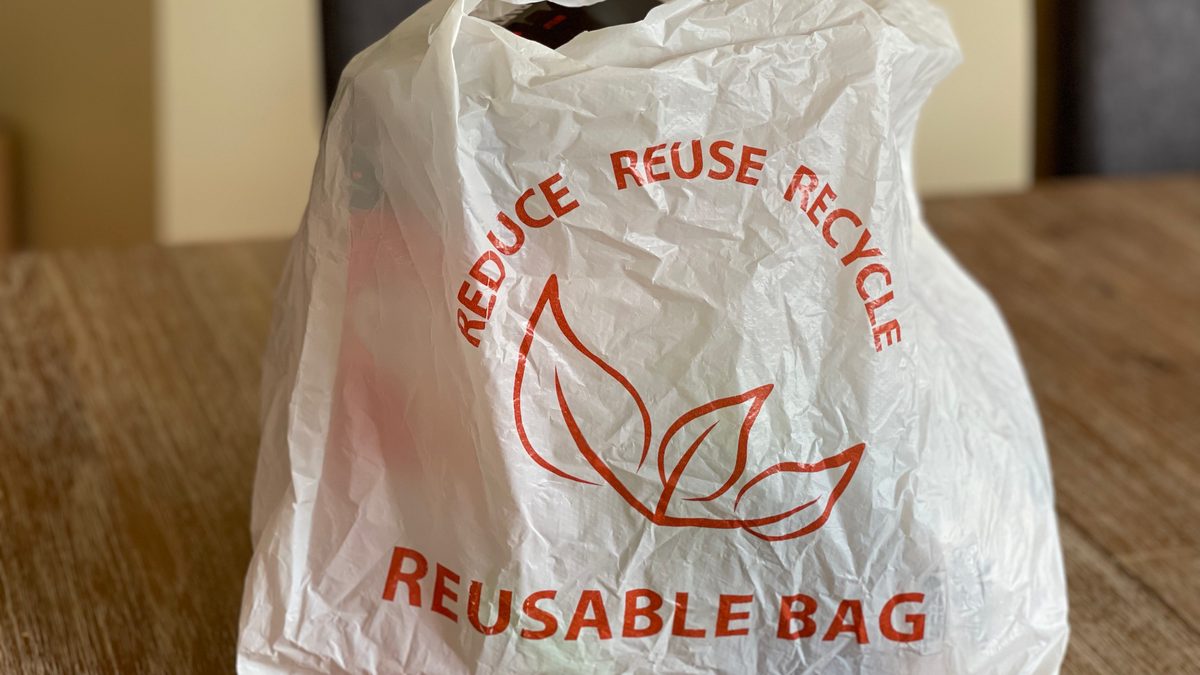
The NJ plastic bag ban has been in effect since May 4, 2022. Stores and food service businesses in New Jersey cannot provide or sell single-use plastic carryout bags, polystyrene foam food containers are banned, and grocery stores of 2,500 square feet or more cannot hand out single-use paper bags either. Plastic straws are available only on request. The law, signed on November 4, 2020, is one of the strictest in the country, and a recent bill to repeal it has renewed debate about whether heavier reusable bags have actually reduced plastic use.
Key Takeaways
- Effective May 4, 2022: no single-use plastic carryout bags at stores or restaurants.
- Paper bags banned too at grocery stores of 2,500 square feet or larger.
- Foam containers banned for food service, with limited exceptions.
- Straws on request only, since November 4, 2021.
- Reusable bags must be washable fabric or durable material with stitched handles, designed for at least 125 uses.
- Penalties: a warning first, then fines of up to $1,000 per day and up to $5,000 per day for repeat violations.
- Repeal proposal: Assembly bill A5338 would repeal the ban, but its passage is considered unlikely.
Details reflect New Jersey law and state guidance reviewed in September 2026.
NJ Plastic Bag Ban Timeline
| Date | Milestone |
|---|---|
| November 4, 2020 | Law signed |
| November 4, 2021 | Plastic straws available only on request |
| May 4, 2022 | Bans on plastic carryout bags, polystyrene foam food containers and grocery paper bags take effect |
| Current legislative session | Repeal bill A5338 introduced in the Assembly |
What the NJ Plastic Bag Ban Covers
| Item | Rule | Where it applies |
|---|---|---|
| Single-use plastic carryout bags | Banned | All stores and food service businesses |
| Single-use paper bags | Banned | Grocery stores of 2,500 sq ft or more |
| Single-use paper bags | Allowed | Smaller stores, restaurants and takeout |
| Polystyrene foam food containers and cups | Banned | Food service businesses |
| Plastic straws | On request only | Food service businesses |
| Reusable bags | Allowed and encouraged | Everywhere |
What Counts as a Reusable Bag?
Under the law, a reusable carryout bag must be made of polypropylene, PET or other durable, washable fabric. It must have stitched handles and be designed and manufactured for at least 125 uses. Thin plastic bags labeled “reusable” do not meet this standard.
Exemptions to the NJ Plastic Bag Ban
Some bags are still allowed because they serve a specific purpose. Common exemptions include:
- Bags for loose produce, meat, fish and bulk foods.
- Bags for unwrapped prepared foods or bakery goods.
- Newspaper and dry-cleaning bags.
- Prescription bags from pharmacies.
- Bags sold in packages for home use, such as trash bags and food storage bags.
- Bags for live animals, such as fish from a pet store.
Some foam products also have temporary or limited exemptions, such as certain meat and fish trays and portion cups, under state rules.
Why New Jersey Passed the Law
Lawmakers passed the NJ plastic bag ban to reduce litter and plastic pollution. Thin plastic bags often blow into streets, rivers and the ocean, where they break down into smaller pieces instead of disappearing. Foam containers create similar problems. Supporters also wanted to push shoppers toward reusable bags and cut the number of single-use items thrown away each day.
Penalties for Businesses
| Violation | Penalty |
|---|---|
| First violation | Warning |
| Second violation | Up to $1,000 per day |
| Third and later violations | Up to $5,000 per day |
Businesses generally have 30 days to correct a problem after a warning. The rules target businesses, not shoppers, so customers are not fined for bringing or forgetting bags.
Has the NJ Plastic Bag Ban Worked?
The results are debated. The ban removed thin plastic bags from checkout lines across the state. However, many shoppers switched to heavier reusable bags made from polypropylene and bought new ones on many trips instead of reusing them. A Freedonia Group analysis reported that the amount of plastic used for bags roughly tripled after the ban, because each reusable bag contains far more plastic than a thin single-use bag.
Environmental groups respond that reusable bags help when shoppers actually reuse them, and that the ban has reduced litter from thin bags on beaches and in waterways. Both sides agree that reuse is the key factor.
The Repeal Push
Assemblyman John Azzariti introduced A5338, which would repeal the NJ plastic bag ban. Supporters of repeal point to the Freedonia findings and to customer frustration. Supporters of the ban argue that it should be improved rather than repealed, for example by encouraging reuse. With Democratic leaders in control of the Legislature, most observers consider full repeal unlikely, but the debate has increased attention on how the law works in practice.
How New Jersey Compares With Other States
Several states have statewide limits on plastic bags, including California, New York, Connecticut, Delaware, Oregon, Vermont and Washington. However, the NJ plastic bag ban stands out because it also bans paper bags at large grocery stores and does not allow stores to sell thicker plastic bags as an alternative. Many other states allow paper bags for a small fee.
| Feature | New Jersey | Many other bag-ban states |
|---|---|---|
| Thin plastic bags | Banned | Banned |
| Paper bags at large grocery stores | Banned | Usually allowed, often for a fee |
| Foam food containers | Banned | Varies |
| Straws | On request only | Varies |
What Businesses Must Do
- Stop providing single-use plastic carryout bags at checkout, whether free or for sale.
- Stop giving out paper bags if the store is a grocery store of 2,500 square feet or more.
- Switch to approved containers instead of polystyrene foam for food service.
- Provide straws only when customers ask.
- Train staff on exemptions, such as produce and prescription bags.
Because the rules apply to businesses rather than customers, the NJ plastic bag ban is enforced through inspections and complaints, followed by the warning-then-fines process.
Where Shoppers Still Get Bags
Since the NJ plastic bag ban took effect, most shoppers bring their own bags. However, you can still get bags in some situations. Smaller shops, convenience stores and restaurants can still hand out paper bags, and many stores sell durable reusable bags at checkout. In addition, produce bags remain available in grocery aisles for loose fruits and vegetables.
For takeout orders, restaurants commonly use paper bags or reusable-style bags that meet the law’s standards. If you order often, reuse those bags for groceries or storage so they do not go to waste.
Overall, the NJ plastic bag ban changed daily routines for millions of shoppers. The habit of bringing bags from home is now part of grocery shopping in New Jersey, and future debates are likely to focus on improving reuse rather than returning to thin plastic bags.
Tips for Shoppers
- Keep reusable bags in your car so you always have them.
- Wash fabric bags regularly, especially after carrying meat or produce.
- Reuse what you have instead of buying new bags each trip.
- Use a cart or box for small grocery runs if you forget your bags.
More New Jersey News
For more on recent changes to state rules, see how the NJ cocktails to go law became permanent, and read our explainer on the NJ budget. New Jersey’s full-service gas rule is another unique law, explained in why you can’t pump your own gas in NJ. Browse more in our NJ News section or on the homepage.
Frequently Asked Questions About the NJ Plastic Bag Ban
When did the NJ plastic bag ban start?
The ban on single-use plastic carryout bags took effect on May 4, 2022.
Are paper bags banned in NJ?
Paper bags are banned at grocery stores of 2,500 square feet or more. Smaller stores and restaurants can still provide them.
Are plastic straws banned in NJ?
No, but since November 4, 2021, food service businesses can provide plastic straws only on request.
What bags are exempt from the NJ ban?
Exemptions include bags for loose produce and bulk foods, prescription bags, newspaper and dry-cleaning bags, and packaged trash or storage bags.
What are the fines for violating the NJ plastic bag ban?
Businesses get a warning first, then fines of up to $1,000 per day and up to $5,000 per day for later violations.
Is New Jersey repealing the plastic bag ban?
Assembly bill A5338 would repeal it, but its passage is considered unlikely.
What counts as a reusable bag in NJ?
A reusable bag must be made of durable, washable material such as polypropylene or PET fabric, have stitched handles and be designed for at least 125 uses.
Are shoppers fined under the NJ plastic bag ban?
No. The law applies to businesses, not customers.
Is polystyrene foam banned in NJ?
Yes. Polystyrene foam food containers and cups are banned for food service, with limited exemptions.
The Bottom Line
The NJ plastic bag ban has been in place since May 4, 2022, covering plastic carryout bags, foam food containers and paper bags at large grocery stores. Shoppers now rely on reusable bags that must be durable and washable. Whether the law reduces plastic overall depends on how often those bags are reused, and the repeal bill shows the debate is not over.
